Pickling & Passivation
Pickling & Passivation
Restoring Stainless Steel Integrity
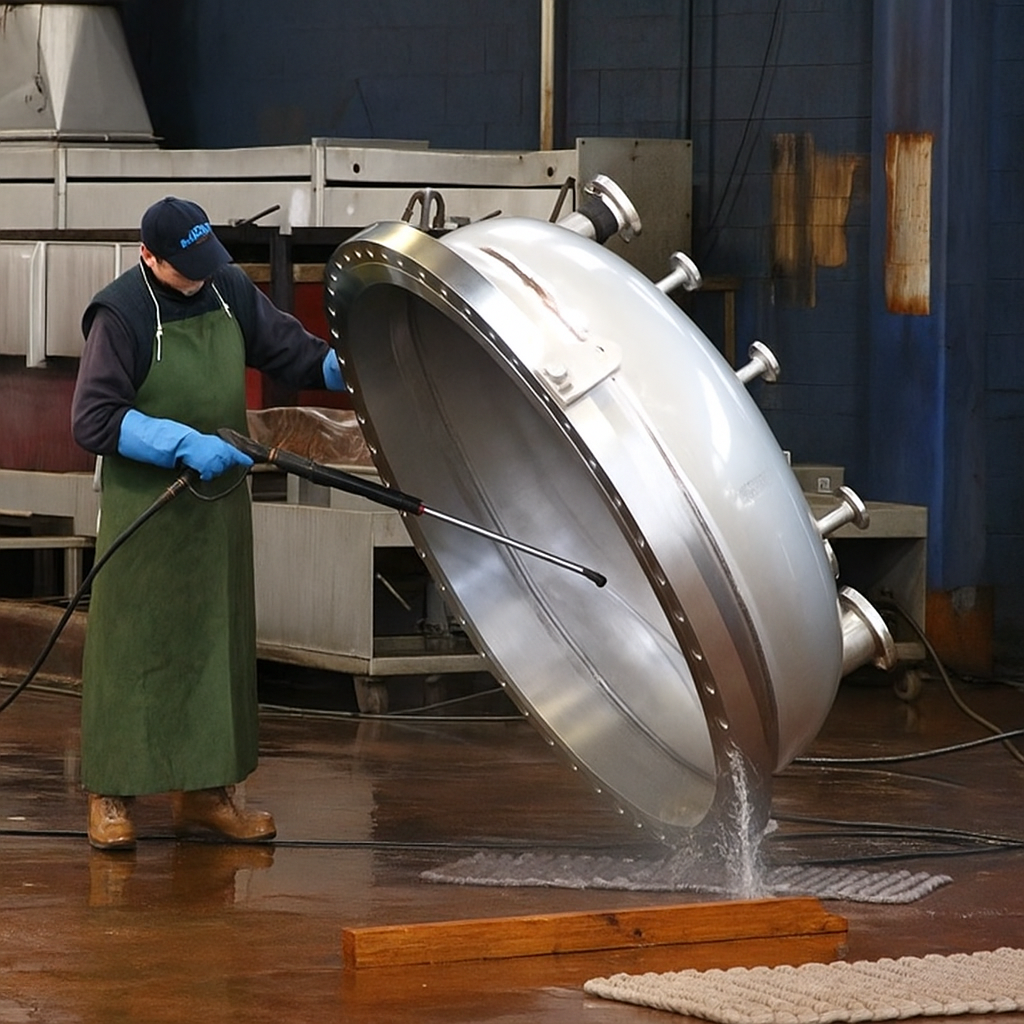
APC delivers specialized chemical cleaning and passivation services designed to restore and preserve the integrity of stainless-steel surfaces. Using advanced chemical formulations, we effectively remove contaminants, oxide scales, and heat tints caused during fabrication or welding—ensuring the metal’s surface is fully revitalized.
Pickling and passivation are specialized chemical metal-finishing processes that protect stainless steel from rust and contamination. Both involve immersing or applying the metal surface with controlled chemical solutions that dissolve imperfections, heat tints, and oxides — leaving behind a clean, uniform, corrosion-resistant surface.
When stainless steel is heated by welding or other thermal processes, a chromium-depleted layer forms beneath the visible oxide scale. This reduction in chromium content weakens corrosion resistance. To restore full performance, that damaged layer must be removed — exposing the fully alloyed stainless-steel surface beneath.
Mechanical grinding may leave behind abrasives or foreign particles, while chemical treatment through pickling and passivation achieves a cleaner, more precise restoration.
Why Both Processes Matter
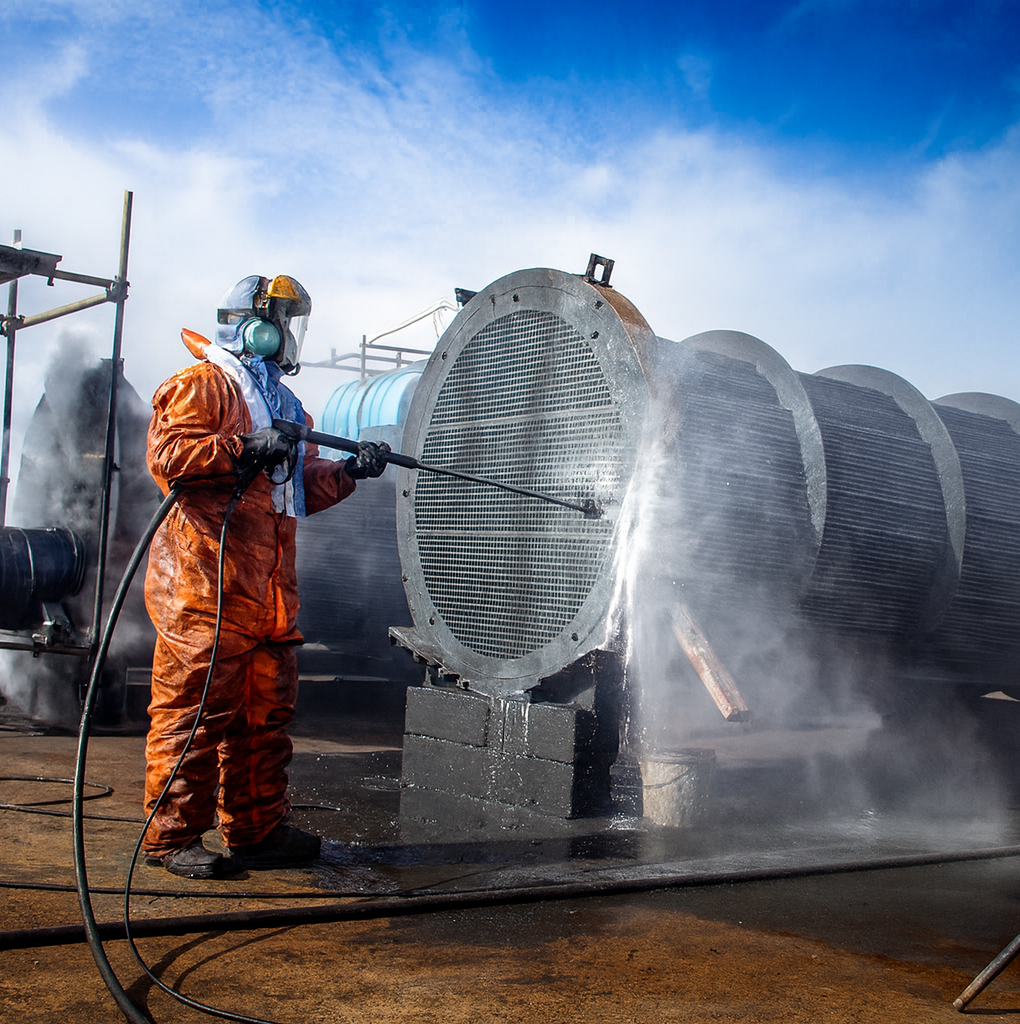
Pickling and passivation are often performed together to ensure complete restoration of the metal surface. Pickling removes oxide scales and embedded impurities, while passivation enhances and stabilizes the protective chromium oxide film. The result is a surface that resists corrosion, extends equipment lifespan, and upholds the highest quality standards in critical industries such as oil & gas, construction, and marine applications.
Advantages of Pickling and Passivation
- Restores full corrosion resistance after fabrication or welding
- Extends the service life of stainless-steel components
- Removes contamination, scale, and discoloration
- Improves surface cleanliness and appearance
- Complies with international ASTM standards
Result:
Reactivated corrosion resistance and a clean, passive metal surface ready for service.
The Difference Between Pickling and Passivation
Pickling
- Removes weld oxides, heat tints, and damaged surface metal.
- Uses aggressive acids such as hydrofluoric and sulphuric acids (or hydrochloric acid in steel mills).
- Etches the surface, slightly lowering gloss and altering appearance.
- Eliminates oxides, embedded contaminants, and surface-breaking sulphides.
- Produces a thoroughly cleaned surface, ready for passivation treatment.
Passivation
- Enhances and stabilizes the metal’s natural protective chromium oxide film.
- Uses milder solutions such as nitric acid or citric acid — or performed through electropolishing.
- Maintains the original metallic appearance and surface finish.
- Removes surface sulphides and residual carbon-steel smears from fabrication.
- Delivers a smooth, chemically stable, corrosion-resistant surface ready for service.