PFP Services
PFP Services
ENGINEERED SAFETY. STRUCTURAL RESILIENCE.
Passive Fire Protection (PFP) plays a vital role in reducing fire-related risks in industrial facilities, particularly within the oil, gas, and petrochemical sectors. In the event of a spill or ignition, PFP systems protect load-bearing structures and hydrocarbon-carrying pipes from collapse or structural failure — effectively containing fire escalation and minimizing potential damage.
Our Expertise:
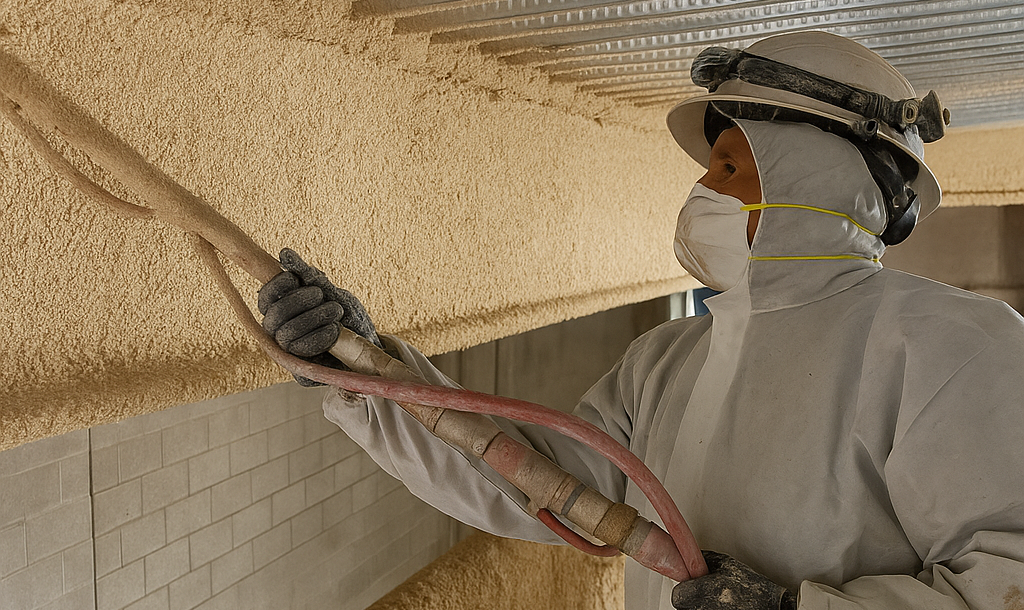
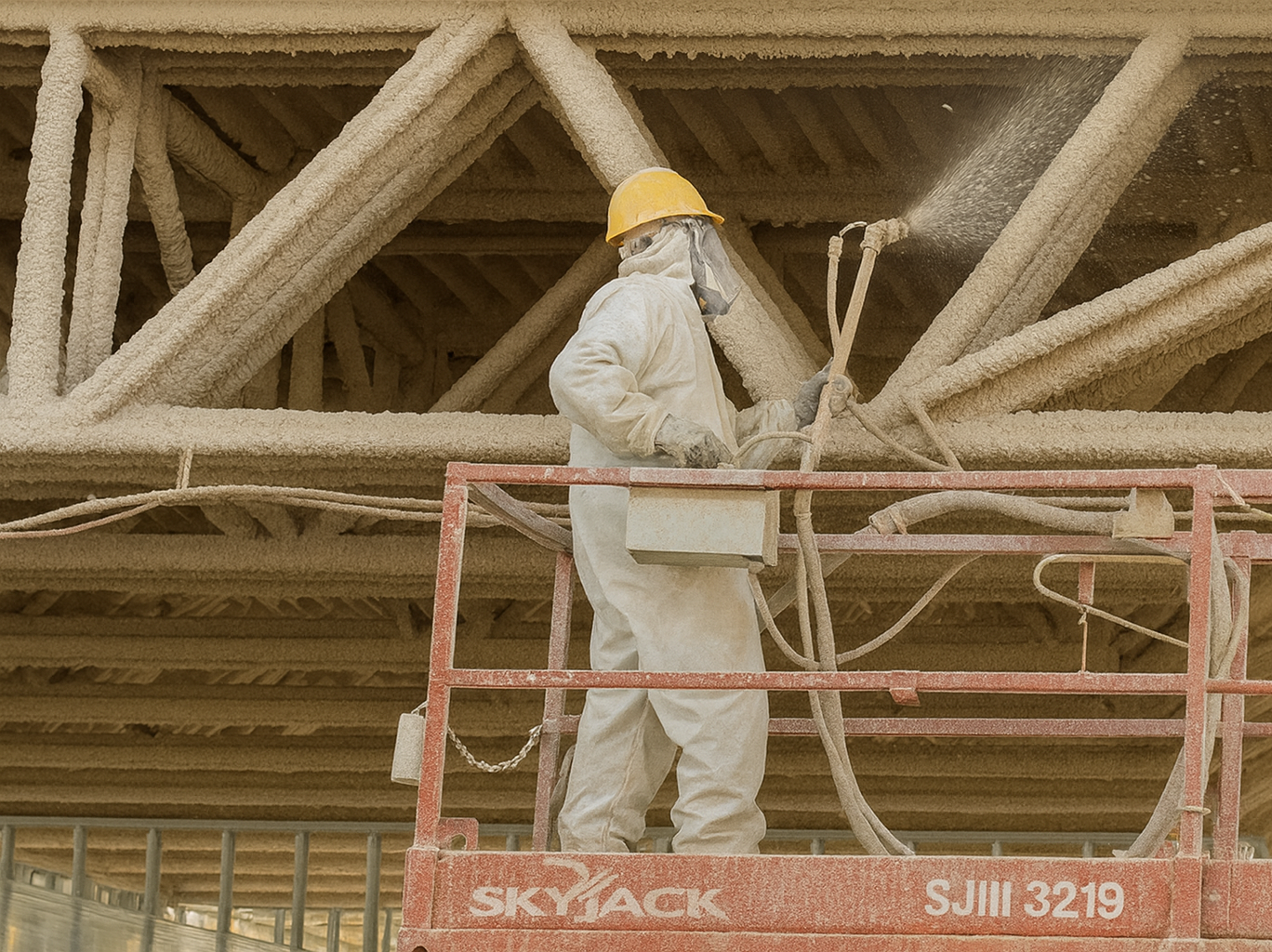
At Anticorrosion Protective Coatings L.L.C (APC Group), we specialize in Passive Fire Protection (PFP) systems designed to protect critical infrastructure from hydrocarbon and jet fires. Our certified team provides complete solutions — from surface preparation and material application to inspection and maintenance — ensuring compliance, performance, and long-term durability in every project.
Engineered in line with NORSOK R-004 and international standards, our fire protection systems strengthen the structural integrity of steel in extreme conditions. Whether for offshore platforms, refineries, or industrial facilities, APC’s PFP solutions deliver reliable protection, operational safety, and extended asset life.
Why It Matters
PFP systems are an essential safety component in all oil & gas and petrochemical facilities. These systems ensure critical structures maintain integrity long enough for safe shutdowns and evacuation, preventing catastrophic escalation.
NORSOK standards, developed by the Norwegian petroleum industry, define best practices for safety, reliability, and cost-effectiveness in fire protection design.
Specifically, NORSOK R-004 sets out the technical requirements for thermal, acoustic, personnel protection, and fire insulation — and APC’s systems are fully aligned with these international benchmarks.
Our PFP services include:
- Epoxy Intumescent Coatings for hydrocarbon and jet fire exposure
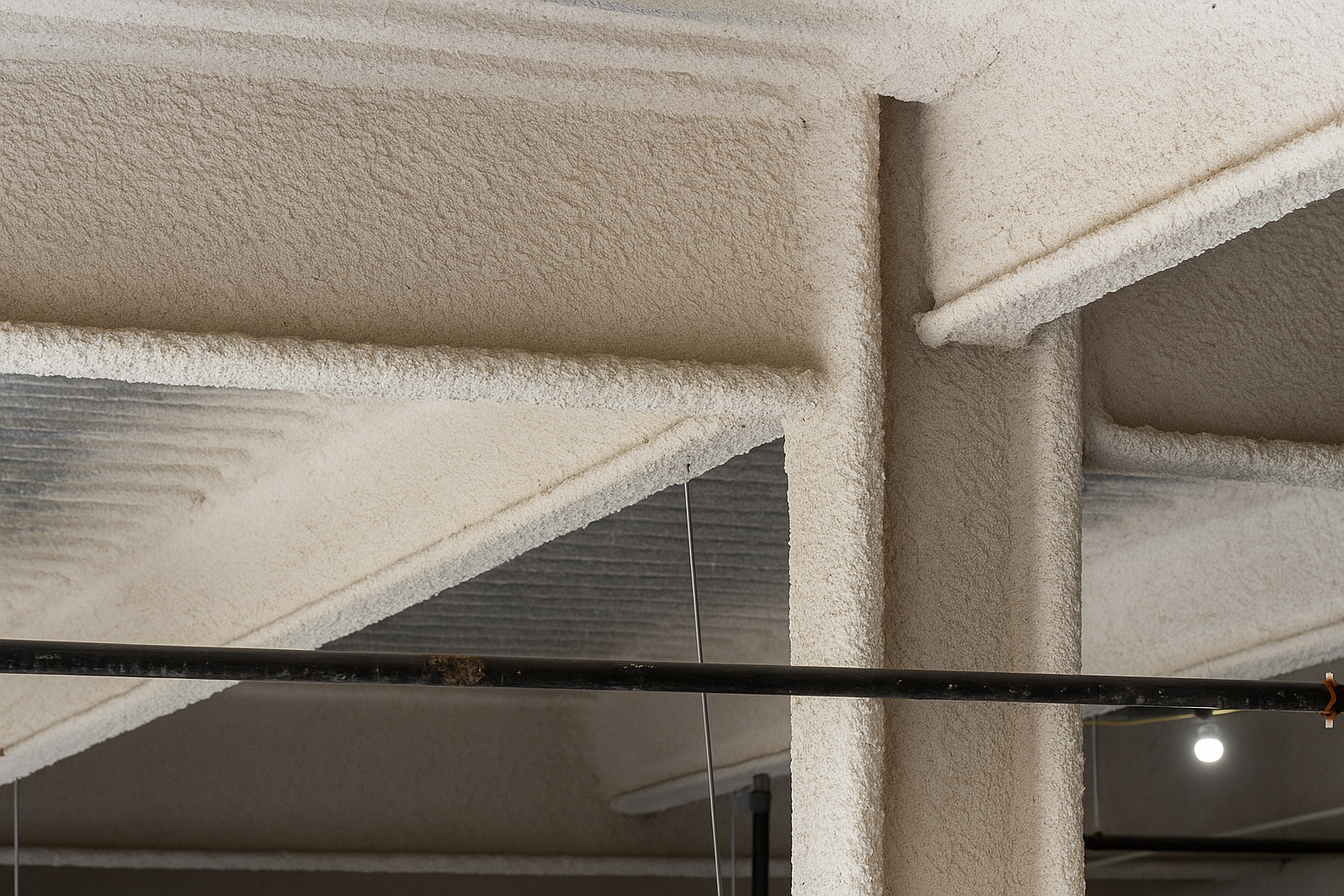
- Cementitious Fireproofing Systems for structural steel
- Cryogenic Spill Protection (CSP) coatings
- NORSOK R-004 compliant insulation systems
- Thermal and acoustic insulation integration for multi-layer protection
Result:
APC Group’s Passive Fire Protection systems deliver unmatched fire endurance, structural reliability, and life safety assurance — protecting assets, people, and productivity under the most demanding conditions.